Kennedy Kight ‘27, Social Media Manager
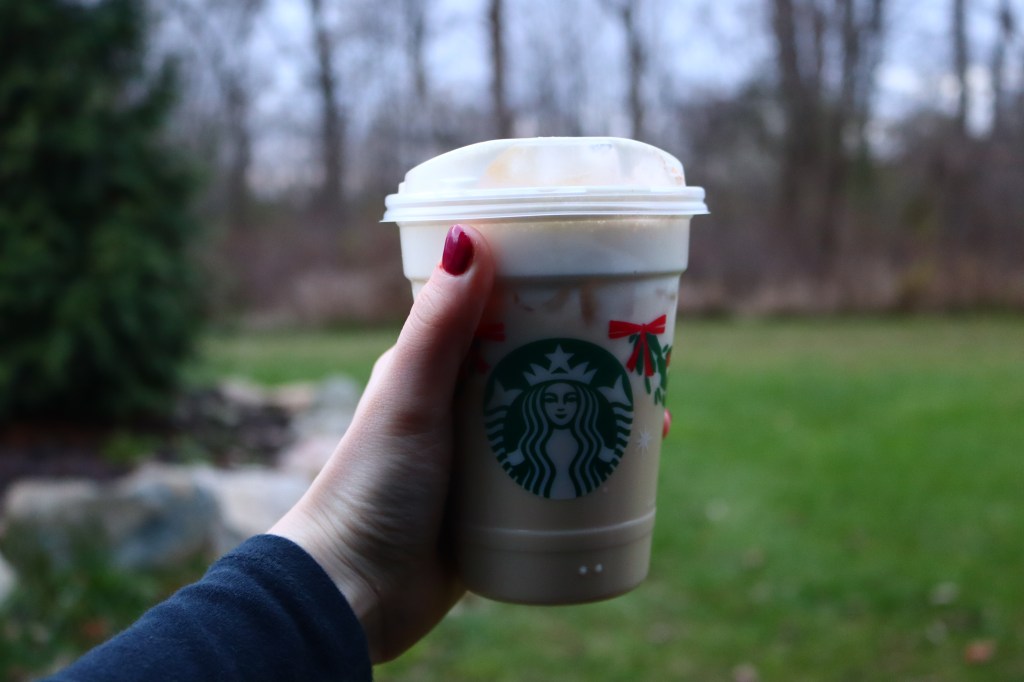
Starbucks Coffee is often a non-negotiable stop in many Americans’ daily routines. Students at South Lyon High School visit the coffee house before class, corporate workers stop in before their nine to fives, and teachers grab their orders before a long day of teaching. It seems harmless—a quick coffee stop before your day starts—until the repeated days visited in a row turn into weeks, then into months, and then the end of the year comes faster than anticipated. Many people are left stumped at the end of the year with similar questions: “Where is all of my money going?” According to CNBN.com, “A regular or daily coffee drinker typically spends about $1,100 to $1,800 per year at Starbucks.”
Starbucks continues to increase prices as the new CEO, Brian Niccol, repeatedly justifies their increase. Niccol defended the company’s high drink prices during a late April 2026 interview on the Wall Street Journal’s What’s New AM podcast. He described a $9 or $10 drink order as either an “affordable premium experience” or a “splurge,” depending on the customer. He argued that the price covers more than just the coffee, implying that the other amenities offered by Starbucks are included—such as the café spaces, comfortable seating, and the connection with the baristas—described as a “small daily escape.” His remarks drew widespread criticism from both consumers and social media users, who called his statements “out-of-touch,” amid the rising costs of daily living.
Baristas are also left with the short end of the stick with the new policies of Niccol’s “Back to Starbucks” ideology. Baristas are pushed to increase customer connection, being instructed to connect with customers by having friendly conversations that are fully engaging. Baristas and their store managers are penalized for high drive-thru times and wait-times, meaning they are not getting customers through their drive-thrus fast enough—along with strict and boring dress codes. Policies contradict the need for customer connection and low wait times. Senior Reagan Shields identifies as a frequent customer of Starbucks. She reports using the drive-thru the most often to get her drinks and said, “I feel rushed out of the window by the barista, more often than not.”
Baristas are unable to create meaningful connections while simultaneously making drinks, cashing out customers, and getting them through the drive-thrus in less than a minute per car. Shields also made a statement on Starbucks’ ridiculously high pricing. She said, “I think they’re way too high for what you’re getting…It is just too much. Eight dollars for a coffee is just insane.”
It is evident that Niccol is overlooking the baristas while claiming to prioritize customers, leaving a wide gap between production and policy. The “$9 latte experience” will never be worth the exceedingly heavy workload placed on baristas and store managers, or the money of hardworking Americans. The cost of living is far too high to be charging customers as much as the company does, and it is clear that Starbucks is naive to customer lifestyles, the economic state of the world, and their constant overworking of their employees—causing increasing conflict and conversation surrounding the company’s recent hypocritical behavior. They claim to care more about the customers than the profits and wait times, but it is evident that that statement does not align with their current policies and treatment of employees. Will barista boycotts and customer complaints ever get Brain Niccol’s attention?

