Leah Sain ‘29, Entertainment Editor
As technology advances, more and more tools and tricks for parenting are coming out of the woodwork. Some of these resources can do amazing things for parents, such as baby monitors to keep an eye on sleeping kids, online forums to vent parenting frustrations, and even seeking advice from other parents. However, some of these can be harmful to how children are raised, and hinder crucial achievements like developmental milestones that are necessary for children.
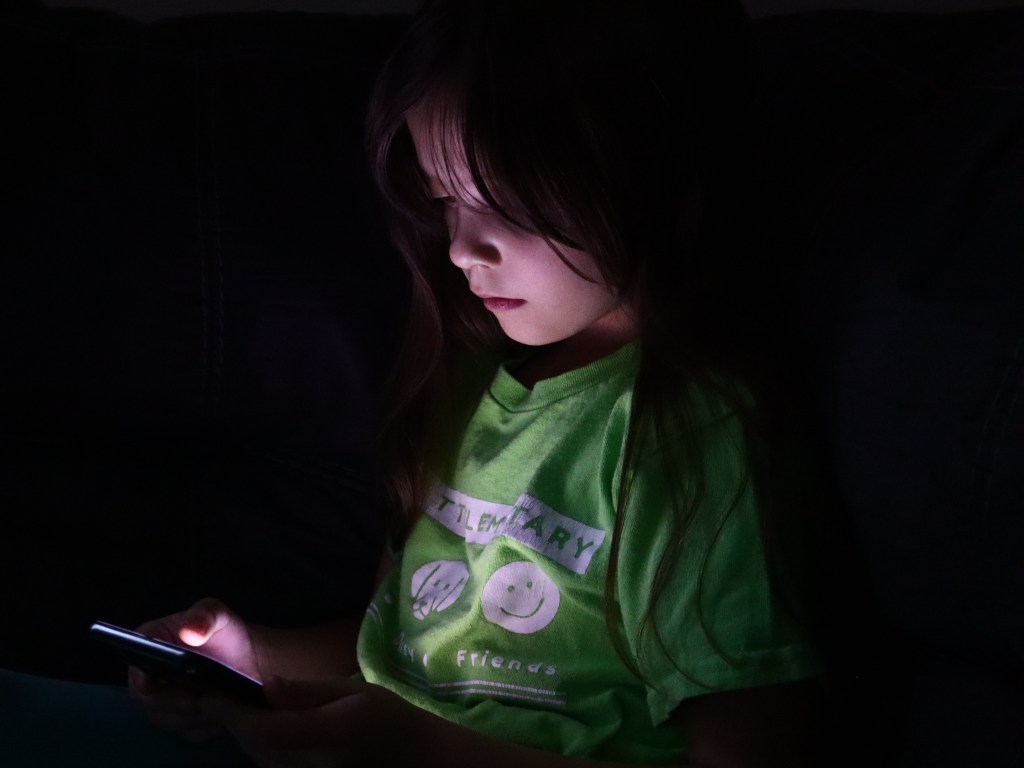
A primary tool that has damaged young minds is technology and screens. Kids nowadays are no strangers to screens. In fact, many people have probably been to a restaurant and seen a kid on their iPad instead of engaging with the people around them. Kids often get upset when these electronics are taken away, throwing tantrums and misbehaving. This phenomenon has been observed by sophomore Alyssa Bullington, and when recounting an experience where she witnessed this, she said, “I remember going to a restaurant…and we were around these parents, and I think all three of their kids had tablets in front of them, and they had a whole entire crying fit when they had to eat and couldn’t watch something.”
With the rise of technology and kids content being produced, parents are heavily relying on screens to entertain their kids. Instead of teaching them to communicate and experience the world organically, parents shove tablets and other electronic devices into their children’s hands. Problems with technology can also include the content that kids are consuming. With the rise of AI content and “content farms”, which are online channels that mass produce low quality content that is generally aimed at children, the videos and media that children are seeing is less engaging, less educational, overstimulating, and therefore more harmful for young, developing minds. The decrease in less educational content has led to decreased literacy rates. According to the Annie E. Casey Foundation, when addressing literacy rates in Gen Alpha reported, “…only 32% scored proficient in reading.”
When parents do not teach their children proper manners and how to act without screens in their faces, it leads to disrespectful, socially inept kids. This can also be a sign of neglectful parenting. Many kids are not making meaningful connections with their parents because their parents would rather let something else ‘parent’ for them. Screens, like iPads, are not inherently evil, but they can become dangerous when parents do not regulate their kids’ usage and are not making sure that they are also engaged in meaningful ways with their children.
In the modern day, spaces for kids to simply exist and be kids are at a low. Parks and playgrounds are scarce, and places like community centers often do not provide opportunities for children to make connections and have fun. This can lead kids to be more inclined to stay inside and use screens. Sometimes, it can be easier for children to find community online than in person. But kids need real life connection, as well as spaces to grow and play.
Another way that adults are failing kids is that many parents are not teaching their kids to behave in public. This has led to many people not wanting to be around children. For example, in August, Corendon Dutch Airlines announced that they were going to begin offering “child-free” zones during flights. While no one wants to sit next to a screaming baby on a seven hour flight, this just goes to show the decrease in tolerance for kids in public spaces, who are often exhibiting natural, albeit annoying, behavior. When parents do not help regulate their children, it creates environments where adults become hostile towards kids.
In general, public spaces can be stressful for young kids. Being around a bunch of strangers can be a stressful experience for anyone, but especially for young kids. The unfortunate reality is that people need to learn how to exist around children, even if that means putting up with screaming and crying. When a baby is hungry or tired, their only means of communication is crying and hoping their parents understand what they need. Even though nobody wants to be around this, it is important to give the kid and their parents some grace. Creating child-free spaces in public areas tells children that they cannot exist in public, which can create a feeling of being unwanted to impressionable minds.
Another example of this dismissive message is child-free weddings. While it is important for the bride and groom to be happy on their wedding day and to control their guest lists, these celebrations can often send a negative message for kids. Weddings are supposed to be a union between families, and kids are a part of those families too. However, it is still important for kids to be taught how to be well-behaved. Weddings should be enjoyable for everyone, even the youngest guests. (I still need a second quote to put in here)
Kids today are being blamed for things mostly out of their control. Whether that be their sense of humor, their levels of intelligence, or their behavior, they are being criticized for things that should have been their parent’s responsibility to teach them and to develop. Adults and parents are responsible for teaching their kids how to act and preparing them to go out into the world, and we certainly can’t blame children for the way they were raised.
Overall, a decline of public spaces for kids, a lack of tolerance for their behaviors, and disengaged parenting is doing a disservice to children, who are the future of our world. It is up to parents and society to step up, be involved, and create spaces and opportunities for kids to learn and be properly nurtured.

