Harlow Bidwell ‘28, Opinion Editor
Today, thousands of aisles are stacked full of vibrant cans with wild new flavors to catch the eye of the exhausted high school students. In SLHS especially, one can spot at least five students with a colorful can on their desk to start the day. With the popularity of the beverage, many arguments arise on which beverage is actually the best. But as energy drinks evolve from niche caffeine bombs into lifestyle staples, the line between a hack for energy and a health hazard is becoming increasingly blurred.
Energy drinks have undergone massive rebrands over the past decade from advertising to long-haul truck drivers, changed to fit the ideals of a wider range of people like gym-goers to have something easy to throw into their bags, the drinks can also be seen at office jobs for easy accessibility, and for students to grab and go on the way to school. Many students hold their energy drinks near their hearts, especially sophomore Mackenzie Riegle. Riegle said, “I have to have something in the morning to get me through the seven hour day. Typically I’d pick up an alani, my favorite is the Pink Slush one.”
Health factor:
With the new branding, many companies have also changed their formulas to include vitamins and minerals like B-vitamins, less sugar, and adding wellness conscious labels for aesthetics. When ranking based on functional additives, caffeine source, and vitamin profile, Bloom and Celsius take the lead for the focus on wellness. Both brands combine prebiotics and apple cider vinegar to support digestion. Celsius remains a standard for fitness, using a unique blend for the profile of the drink made to boost thermogenesis during workouts (maintaining body temperature while doing physical activity). In the middle tier comes Alani Nu. Alani is regarded for its inclusion of both biotin and B vitamins, but is brought down to the middle tier for its extra added ingredients. At the bottom: Redbull and Monster. While both offer B vitamins and taurine, they lack functional ingredients like prebiotics or metabolism boosters.
Sugar content and taste:
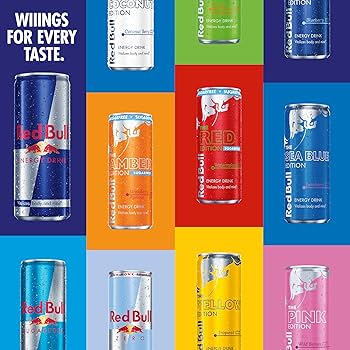
While Alani, Bloom, and Celcius are known for being strictly sugar free, Bloom wins on cleanliness by choosing natural sweeteners like stevia and Monk Fruit, avoiding more artificial after tastes. Based on popularity, Alani Nu is widely considered for the best flavors by using nostalgic profiles like Cotton Candy, Cherry Slush, and Cosmic Stardust. Redbull is viewed as a classic with its tart and fruity flavor, along with other flavors like Watermelon and Juneberry, the company is praised for its juice-like taste. Celsius offers a wide variety of flavors, but some compare the drink to being bitter. Monster’s original zero sugar is a fan favorite for its crisp taste, but the Green Monster is criticized for being overly syrupy. Bloom has a unique taste, and is more earthy than the rest of the drinks listed above.
The verdict:
When someone is looking for a new drink, everything has to go into the decision: taste, health, price, and accessibility. When looking for fitness, Celsius is the best option for helping maintain body temperature. The top choice for wellness would be Bloom with its gut health focus and earthy tastes.If someone is looking for a new flavor, the best options would be Alani Nu, but if someone wants a reliable classic, Redbull is the way to go: drink responsibly.

