Allen McCallie ‘26, Business and Ad Manager
Dragons are depicted differently in many cultures around the world, some of them breathe fire, and some of them do not even have wings. The differences in appearance and traits vary by region and cultures. Dragons sometimes signal danger, or they can be worshiped for good fortune, but they are all different in the way they are represented in different cultures around the world.
Western Europe:
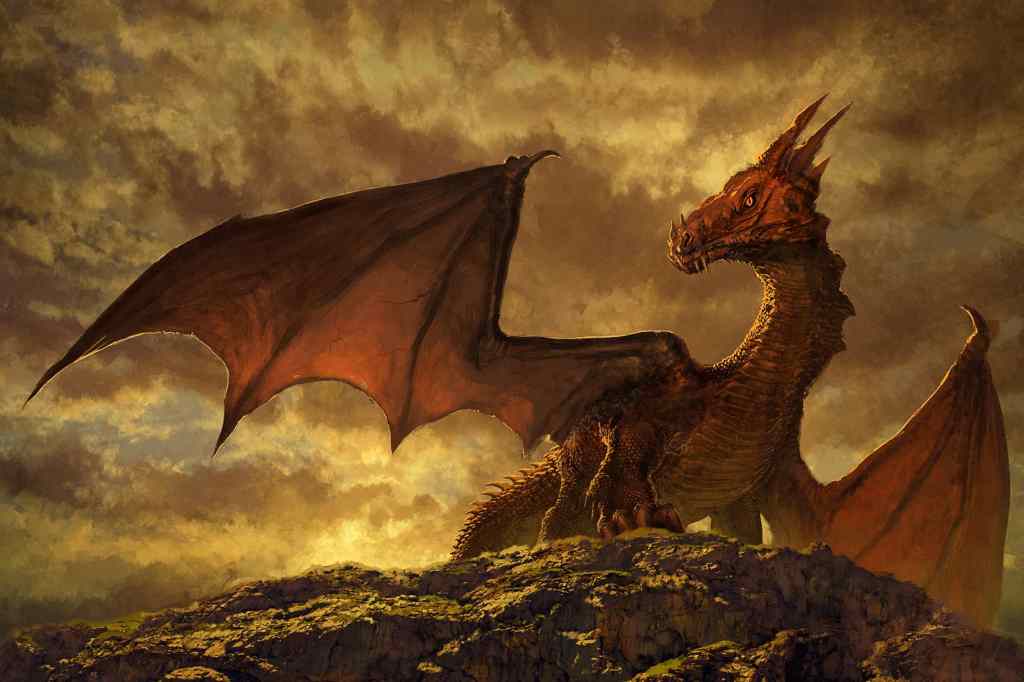
In Western Europe, dragons are depicted as giant, winged, fire-breathing creatures who often hoard treasure in caves or mountains. It was widely believed that dragons were threats to villages, livestock, and people due to stories such as Saint George slaying a dragon that spread around Europe. In the story, there is a village being terrorized by a dragon that is demanding a sacrifice. Saint George slays the dragon and saves a princess being kept captive in the village. The story was seen as a story of good versus evil, but the original message was regarding Christianity defeating paganism.
Dragons guarding hoards of gold and treasure come from the Norse myth, Fafnir. In the story, Fafnir is a strong, respected dwarf. Fafnir is then cursed by the Andvari’s ring, which initially makes him excessively greedy and corrupt. To protect his treasure, he turns into a dragon and torches anyone who gets close to his hoard of gold. The story is meant to represent how greed turns people into monsters. Greed, one of the seven deadly sins, being portrayed as turning people into monsters, also highlights Western European Christian values. In modern times, dragons are still being depicted in stories like The Hobbit and Game of Thrones, showing how dragons continue to be culturally relevant.
China:
Chinese dragons called the Long are wingless, serpentine, and float with spiritual energy. They tend to represent imperial power or supreme authority, but they can also show prosperity and good fortune. They are depicted as benevolent spirits that rule over weather and water; they are said to dispense rain and control floods. The Long symbolizes masculine energy, also known as yang, strength, and nobility.
Historically, the people of China believed that Long was real and brought rain and prosperity to the land. The dragon was exclusively meant as a symbol for the emperor, with the emperor being referred to as “the song of the dragon.” The imperial emblem often featured the five-clawed dragon, which represents strength and prosperity. Now, dragons are seen more as a symbol and a piece of China’s history, being the fifth Chinese zodiac sign. Looking at traditions like the Chinese New Year, you can find people performing the Wǔ Lóng dance, which is the practice of manipulating a giant Long dragon puppet and performing impressive movements mimicking the movement of the spirit. Though Chinese people don’t believe in the Long anymore, they still believe in the symbol of what the Long represents and what it meant to their ancestors.
Wales:
Wales is one of three countries that features a dragon on their flag, representing how important it is to Welsh history. The Welsh dragon, or Y Ddraig Goch, was seen more as a part of deeply embedded nature rather than a fire-breathing monster. The word Dragons historically meant “leader” or “war chief,” derived from the old Welsh draggann and Latin Drago.
In Histories of the Kings of Britain, by Geofrry of Monmouth, there is a very popular story of a red dragon trapped under a mountain by a white dragon. The white dragon represents the invading Saxons, and the red dragon represents the Welsh. The evident victory over the white dragon represents the resilience and endurance of the people of Wales. The dragons in Wales are seen as the protectors of Wales. Unlike other places in Western Europe, dragons are seen as a representation of sin or destruction. Today, Welsh people still look at the red dragon as a reminder of what their people went through to get where they are today.
Whether or not dragons are real is still left up to speculation, but what is undeniable is the cultural significance that dragons have and had on people around the world. Dragons will continue to represent a people’s strengths, values, and cultures. Giant fire-breathing reptilian creatures appearing in stories all the way from 4000 BC to current times show how timeless and admired they are.
 Lyon Life