Zoey Cunningham ‘26, Photo Editor
Valentine’s Day is a day full of love, hearts, and candy. However, it was not always just a day where we passed out cards and gifts to show our appreciation for others. There are many different celebrations that go into the holiday we now hold on Feb. 14, yet there is not a direct celebration that started this tradition.
This day is also uncommonly referred to as Saint Valentine’s Day or the Feast of Saint Valentine which was a Christian holiday celebrating the famous martyr—who was executed for secretly marrying christian couples—named Valentine. There are many folk stories surrounding him which just so happen to take place in February. His more notable title as the Saint Valentine of Rome has led to many stories following his life. One of these stories follows his journey of restoring sight to the daughter of his jailer, Julia. In this retold history, he was locked away and executed for helping persecuted Christians but was later viewed as a Christian symbol and hero. Many later retellings of this story tweaked it, however, to fit the theme of love, with some even claiming he wrote a letter to the jailer’s daughter before his execution and signed it “Your Valentine” as one last farewell.
Many of these current legends were reconstructed by Geoffrey Chaucer, a renowned English poet who was often referred to as the “Father of English literature”, in the 14th century which gave a new romantic characterization to the saint. The celebration of Saint Valentine is not known to have had any romantic connotations until Chaucer’s poetry about “Valentine’s Day,” which came 700 years after the celebration of Lupercalia, an ancient Roman festival that celebrates purification, was believed to have been held. The poem included many famous lines such as, “For this was sent on Seynt Valentyne’s day / Whan every foul cometh ther to chese his make,” which means when every bird comes to choose his mate, giving you an idea on what romantic messages he was associating with the day. This then led to Feb. 14 being associated more with love as the 15th century started, and the idea of courtly love quickly spread around the world. Sadly, many of the original tellings of these stories were destroyed during the last Diocletianic Persecution in the early fourth century so many of the stories we know today are untrustworthy or most likely inspired by stories of other popular saints.
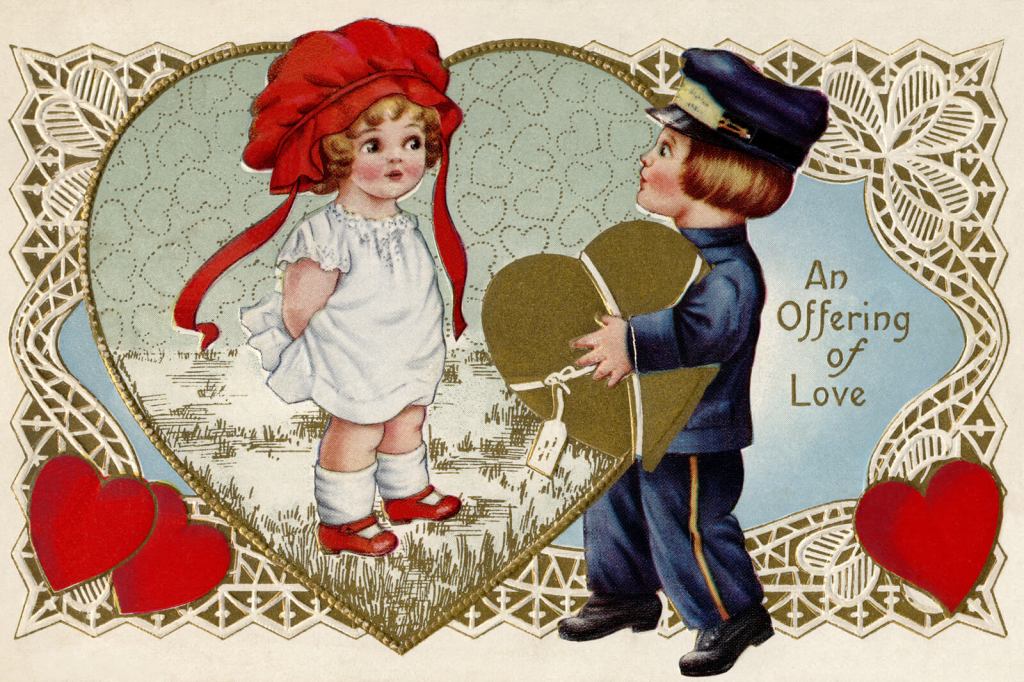
After Chauncer’s famous writing about the celebration, many widely recognized poets followed in his footsteps, such as William Shakesphere and John Donne, which further cemented the holiday as a day of love. By the time the 19th century rolled around, the idea of this holiday of love was much more focused on cards with cute symbols such as cupids, doves, and hearts. It was a common effort of society as a whole to shift the focus of the holiday, and the trend spread like wildfire.
Whether you celebrate Valentine’s Day or not, it is good to know that the initial holiday really started with a bad game of telephone and unreliable sources. Despite not completely knowing the entire origin, Valentine’s Day is still a fun holiday to celebrate with your significant other, even if it started with a rumor.
 Lyon Life