Allen McCallie ‘26, Business and Ad Manager
The 2026 World Cup has been long anticipated, as it is the first World Cup to have three host nations: Canada, Mexico, and the United States. Though some are calling for boycotts on the U.S. matches due to the U.S. threats of violence to take Greenland, and fear of tourists being harassed by ICE.
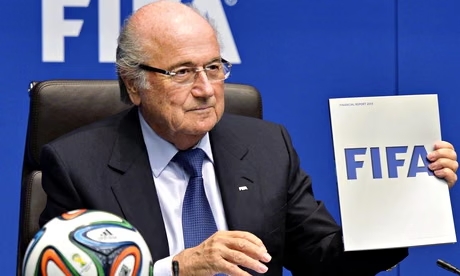
Ex-FIFA President Sepp Blatter has endorsed a boycott of the event because of the conduct of president Donald Trump and his administration at home and abroad. Blatter reposted a comment from Swiss anti-corruption lawyer Mark Pieth, stating that fans should stay away from the U.S. this tournament, and cited the killing of Renee Good and Alex Preti as reasons why to skip the World Cup. Pith stated in an interview with the Swiss daily Tages-Anzeiger, “What we are seeing domestically is the marginalisation of political opponents, abuses by immigration services, etc. hardly encourages fans to go there.”
Many other prominent figures in football also agree with the boycott. One of the Vice Presidents of the German Soccer Federation, Oke Göttlich, told the Homburger Morgenpost newspaper in an interview that the time has come to seriously consider boycotting the 2026 World Cup. Many fans and Football officials have gone online to agree with the boycott and criticize Trump’s behavior in international and domestic affairs.
Also, fans who plan to attend the 2026 World Cup voiced concerns of traveling to the U.S. amid such strict immigration policies. Things like visa delays, unexpected detentions, and fear of increased scrutiny at airports deter them from attending U.S. Host cities. For many supporters of the World Cup, it is not only about football but the cultural exchange that happens during the international event.
Despite the calls for boycott, there is no official consensus among the global football community. FIFA has stated that the World Cup is politically neutral, and that the sport is about unity. Tournament organizers in U.S. host cities have stated that security measures and visa policies will ensure a safe welcome for international fans.
Some argue that boycotting the World Cup would unfairly punish the players and supporters rather than the political leaders who are actually responsible for causing the boycott. Many current and former players have expressed concern that withdrawing support from the 2026 World Cup would undermine years of preparation and deny athletes the opportunity to compete in the biggest Football event in the world.
Historically, athletic events have not been immune to political controversy. There were Olympic boycotts during the Cold War and human rights protests in the 2022 World Cup, sports often reflect broader geopolitical tensions. 2026 World Cup critics argue that the current situation is an example of politics affecting sports, this raises the question if global competition can even be kept separate from actions of host countries governments.
As the 2026 World Cup approaches, it remains unclear whether the boycotts will turn into many host nations withdrawing from the event or fade away as the tournament comes closer. What is certain, is that the debate has already reshaped conversations surrounding the event. The whole situation highlights that actions of a host nation cannot be kept separate from international events.
 Lyon Life