Luke Rector ‘28, Photo Editor
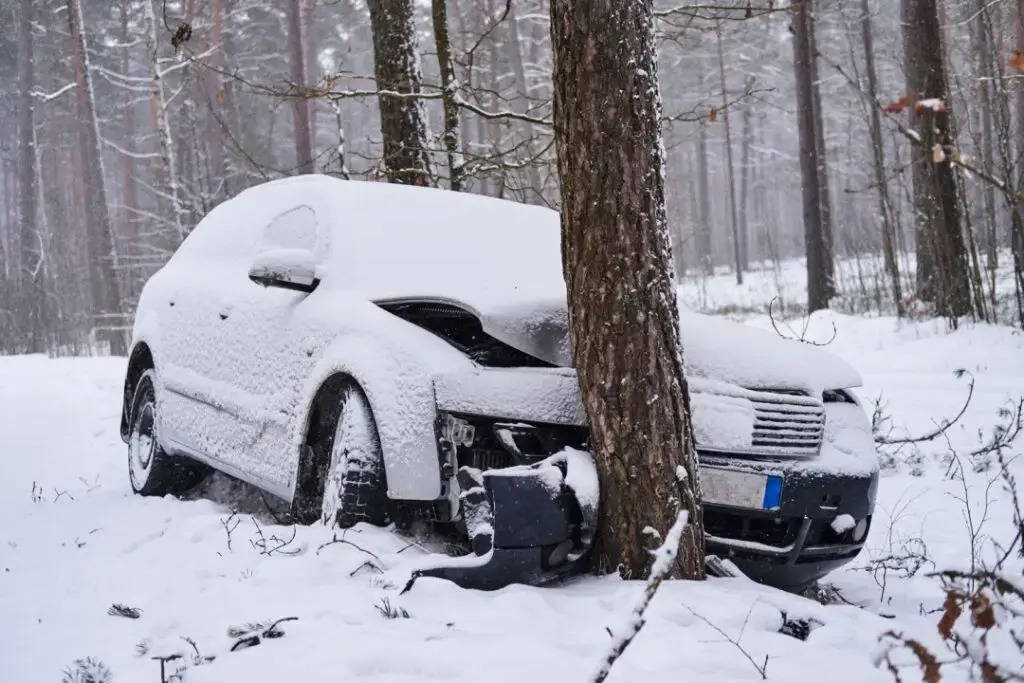
The roads and highways during winter can be treacherous: 9.9 percent of car crashes occur when roads are snowy, icy, or slushy. Additionally, 3.9 percent of fatal accidents occur in the same weather circumstances. Due to this, it is crucial for any Michigander to know how to stay safe on the roads.
One of the easiest ways to stay safe while driving in more treacherous areas is to pay attention to surroundings and others. Simply looking into every mirror and being aware of your surroundings can drastically reduce accidents. If more people paid attention on the roads, others could have a safer driving experience even during the winter months.
There are many useful tools to ensure that driving on the roads is safe. Ice scrapers are a convenient l tool for getting snow and ice off windshields before beginning a route. Getting the snow of a windshield and window allows the driver to see more of the road and prevent accidents. In the event a car accident does occur, jumper cables and first aid kits may be useful. Jumpercables will allow the vehicle to start if it shuts down, and a first aid kit can help remedy an injury before you can get to a safer area.
Yet another important thing you can do in order to stay safe during the winter is to make sure your tires are properly inflated, have a significant amount of tread, and are not damaged. Faulty tires can randomly flatten during driving, may not brake as well, and can cause you to slide across the road into another car or ditch. Making sure your tires are in top condition while driving can reduce the risk of accidents and injuries while driving.
An easy way to prevent sliding is driving slower. It is important to drive more slowly, especially when it is snowing or the roads have frozen over. Slower speeds can reduce the risk of slipping on any ice that may be on the road. On icy roads, it can take 10 times longer to stop your vehicle than normal, drastically increasing your chance to hit something before you can fully stop. Make sure to not stop unless it is necessary in order to avoid crashes and collisions; one should typically only stop if there is an emergency, a stoplight, or you are at your destination.
An inevitable issue is that a destination may be upon a hill. While trying to get up any surface, like a hill, it is important to not try to power up hills by pressing your gas. Hitting your gas only causes your tires to spin faster, not doing anything besides wasting fuel. The correct way to get up hills would be building up inertia and letting that energy carry you up towards the top of the hill.
While going up or down sloops, a skid is a real possibility. A driver should try to steer back onto course, but should steer slowly without jerking the wheel. Drivers should also ease off the escalator so the vehicle slows down. A skid can be dangerous and can cause severe car accidents. The best way to deal with a skid is to not have one in the first place. Not hitting the gas while attempting to go up or downhill, and gradually hitting the gas and brake are the best ways to prevent a skid.
While one can follow safe driving procedures, there is still a real risk of ending up in an accident regardless. What should someone do if they end up in an accident? First, they should check for any injuries, and if they are seriously hurt, they should dial 911; additionally, if they have any passengers in your vehicle, make sure they are all safe. Second, turn off the vehicle if it is still running. Third, one should get to a safe area. Fourth, if the accident involved another driver, exchange information with them. Five, notify your insurance if you have one. And lastly, notify the Department of Motor Vehicles if needed.
Staying safe on the roads is an important part of being a driver and an upstanding citizen. Being careful and knowledgeable of surroundings can make your winter a much smoother ride.
 Lyon Life