Logan Skrzypek ‘27, Student Life Editor
TikTok has undeniably reshaped the landscape of social media, offering a platform for creativity and connection. However, not all trends that emerge are beneficial or safe. Some of the worst trends have been downright dangerous, irresponsible, or simply irritating—all of which contribute to the U.S. government’s desire to ban on the platform. What exactly are these trends, and how do they affect millions of people who log on to the platform every single day?
The “Tide Pod Challenge” emerged around 2017 and quickly obtained notoriety. This trend involved individuals, primarily teenagers, biting into Tide Pods, which are small, colorful packets of laundry detergent. The challenge was fueled by the pods’ candy-like appearance, which disguised their highly toxic nature. Ingesting the detergent could cause severe health issues, including chemical burns to the mouth and throat, vomiting, respiratory distress, and even death. Despite these dangers, the trend spread rapidly across social media platforms, with participants posting videos of themselves attempting the challenge.
The appeal of the Tide Pod Challenge lay in its shock value and the attention it garnered. Social media thrives on sensational content, and the more outrageous the act, the more likely it is to go viral. Teenagers, in particular, are susceptible to peer pressure and the desire for social validation, which can lead them to engage in risky behavior. The potential for this challenge to resurface exists because new generations of social media users may rediscover old content and feel compelled to replicate it. An anonymous user commenting on an article posted on Psychology Today said, “It’s alarming to see how quickly young people are drawn to replicate dangerous trends from the past, often without understanding the real risks involved.” Additionally, the ever-present want for internet fame can drive individuals to partake in dangerous activities, often underestimating the severe health risks involved.
The “Skull Breaker Challenge” is another example of a dangerous trend that gained traction on TikTok. This challenge involved three individuals standing in a line. The middle person would jump, and the other two would kick their legs out from under them, causing them to fall backward and more often than not resulting in serious injuries, including concussions, fractures, and spinal damage. The challenge’s name itself highlights the potential for catastrophic harm.
The Skull Breaker Challenge’s appeal can be attributed to the thrill of participating in something risky, and the pressure to conform to peer expectations. Adolescents are particularly prone to sensation-seeking behavior and may disregard the potential consequences in favor of immediate gratification and social recognition. The anonymity and detachment provided by the internet can embolden individuals to partake in such harmful activities without fully taking in the repercussions. The potential for this challenge to reemerge lies in the cyclical nature of social media trends and the ongoing desire for viral content.
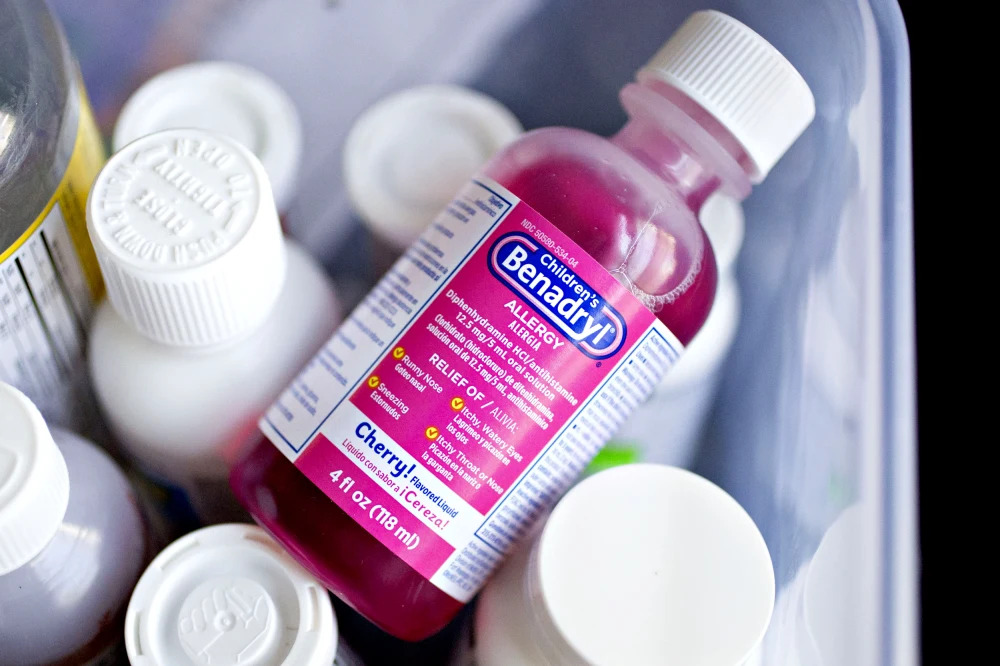
The “Benadryl Challenge” is yet another trend that poses significant health risks. This challenge encouraged users to take excessive amounts of the antihistamine Benadryl to experience hallucinations. The challenge was particularly hazardous, as it could lead to severe health issues, including heart problems, seizures, and possibly death. Despite the obvious dangers, the challenge gained popularity, especially among teenagers who were curious about the drug’s effects and eager to push boundaries.
The majority of the appeal of the Benadryl Challenge lay in the allure of altered states of consciousness and the thrill of engaging in prohibited behavior. Adolescents may be drawn to such challenges due to their natural curiosity and the desire to experiment, as stated earlier. Additionally, the influence of social media can amplify the appeal of risky behavior, as participants seek to gain attention and validation from their peers. The potential for this challenge to make a comeback is tied to the fact that many people are unaware of the severe health risks associated with such challenges. Misguided curiosity and the desire to push boundaries can easily lead to the revival of such harmful trends.
The “Coronavirus Challenge,” which emerged during the early stages of the COVID-19 pandemic, was particularly reckless and disrespectful. This challenge involved individuals licking public surfaces, such as toilet seats and door knobs, in an attempt to prove their invincibility to the virus. The challenge was not only hazardous to the participants but also posed a significant public health risk by potentially spreading the virus. A user by the name of Ava Louise on TikTok posted a video of her licking an airplane toilet seat, attempting to ‘contract coronavirus.’ “I trolled America,” she told the Miami Herald. “It was a clean toilet seat on a sugar daddy’s plane. I feel hot, rich and iconic,” she continued. “If those are the symptoms of corona, then b—ch, I’m ill.”
The appeal of the Coronavirus Challenge was rooted in the desire for attention and the belief that the participants were immune to the virus’ effects. The challenge’s shock value and the potential for viral fame drove individuals to engage in this reckless behavior, despite the obvious health risks. The potential for a comeback exists as long as there are individuals willing to prioritize fleeting internet fame over common sense and public safety.
In addition to these specific challenges, it is essential to recognize the broader context in which they occur. Social media platforms like TikTok are designed to encourage user engagement and the rapid circulation of content. The algorithms that drive these platforms often prioritize sensational and attention-grabbing content, which can lead to the amplification of dangerous trends. The desire for social validation and the pressure to conform to peer expectations can further exacerbate the appeal of such challenges.
 Lyon Life