Cooper Lewis ‘26, Copy Editor
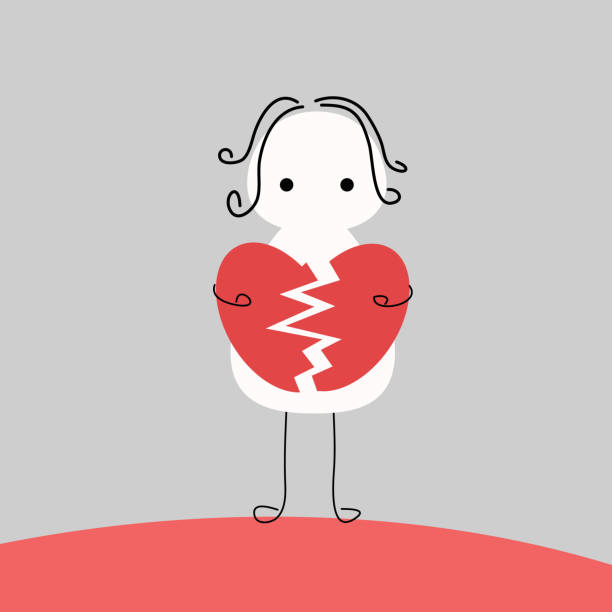
The beginning of February marks the start of an important month to many. With seasonal depression on the decline, Americans ready to celebrate Black culture and remember those who have played a large impact during Black History Month, and lovebirds excited for Valentine’s Day, it seems everyone has something to look forward to in February. But what of those people who seemingly are not lovebirds, who are not in happy relationships? Or relationships at all? For them, Valentine’s Day can be a difficult one, a day that can take a serious toll on their mental health.
To many, Valentine’s Day is a symbol of celebration of their love, their affection towards the beloveds in life, and in turn being loved back. For some, however, it is a day that resurfaces their unsuccessful attempts at love and reminds them of their loneliness, which can cause depression, sadness, and in some cases, even suicide. Although evidence that links Valentine’s Day and suicides is more anecdotal than scientifically proven, Valentine’s Day still bears a darker shadow than it seems to portray in media and culture.
According to a study done by BetterHelp, roughly 15 million American adults say the day impacts their mental health for the worse, with more of this number being young adults. The study also shows that those with a lovelife still find their mental health impacted negatively. The emphasis this day has on romantic couples and love may contribute to the higher suicide rate as for those with no relationship as it bares the reminder of their loneliness or past, broken relationships. Nonetheless, the association between suicide and Valentine’s Day remains largely ambiguous, and while some studies have found a way to link the two, others struggle to find any evidence that suggests the fact. Despite this, it is important to recognize the fact that at the end of the day, suicide is a large and ultimately complicated issue, with no single factor resulting in it.
For those with no relationship or loved one to celebrate Valentine’s Day with, how should they cope? For starters, it is important to recognize and celebrate the other relationships in their lives. Yes, while Valentine’s Day is marketed as a day for happy couples and romantic relationships, it does not have to be that way. It can be for any relationship in life, friends, families, pets, it does not matter, as long as love is felt within. Next, it is important to add onto a self-care routine. When people feel lonely, it is easy for them to slip into a negative downward spiral that distracts them from the positive achievements in their lives, so finding distractions from loneliness is a good way to shine a positive light. Reading a book, taking relaxing walks, or even listening to music are some relatively simple ways for people to distract their minds.
Although reaching out to friends or families can help drastically, it can be beneficial to the other party as well. People do not always know what others are going through, so some small gestures such as calling or texting can go a long way. While the connection between Valentine’s Day and suicide is confusing in places and not entirely understood, it is still clear that the holiday can be stressful and mentally tiring to some. So on Valentine’s Day, whether in a romantic relationship or not, reach out to someone you love, for you never know what it could do for them, or yourself.
 Lyon Life