Natalie Monzon ‘24, Social Media Manager
Pittsburgh Penguins player Adam Johnson was killed in a freak hockey accident involving an opposing player’s skate on Oct. 28. Johnson was only 29 years old and was quickly rushed to a hospital, where he sadly succumbed to his injuries and passed away. Fans and players watched in horror as the beloved player’s throat was cut by a skate while being broadcasted on television. This begs the question: are there enough protective measures and gear in place for athletes?
Most professional sports are full-contact, and players need the right protection to play safely. Sports gear has evolved, but accidents like this can still happen. More safety measures need to be put in place to prevent these tragedies from continuing. Even after terrible accidents occur, sports gear and protection never evolve as much as they should.
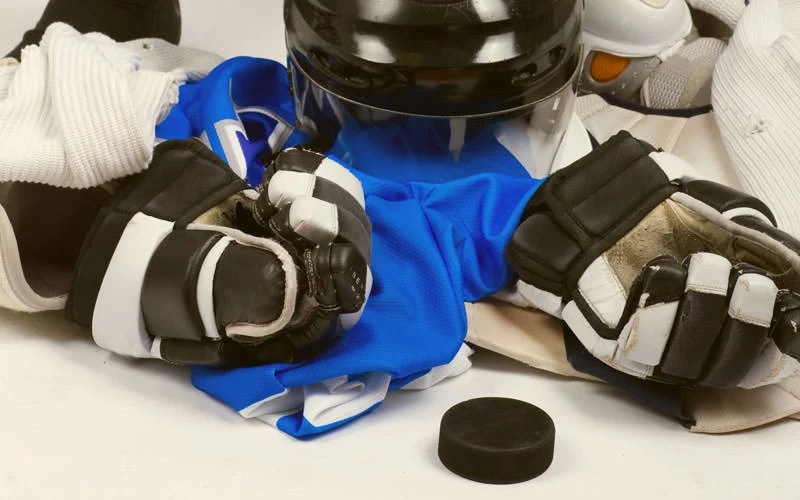
When hockey first started, players’ skates were made from shoes with metal spikes at the bottom. Now, skates have evolved to create more support for the ankle. Skates are made from materials like plastic, nylon, leather, and steel to help players glide through the ice, but there is no protective measure in place when coming in contact with skin. Moreover, hockey players do not wear neck guards to protect themselves from contact with a skate.
After Johnson’s death, the push for neck protection has been in the works in order to prevent more injuries from unfolding.
Sports injuries are not only subjective to adults. Young athletes are also at risk for serious injuries. According to Stanford Medical, 30 million children and teens participate in some sort of sport. The human brain develops in humans in their mid-20s. Sports make up 21 percent of traumatic brain injuries in youths; most children start playing recreational sports at just six years old, and contact sports at around 11 years old. None of these children are fully developed and a serious injury could ruin their entire life. There should be age requirements in place for high-contact youth sports—it could save children from possible life-altering, or ending, injuries at a young age.
When sports are centered around contact, many dangerous injuries can occur, the NFL falls victim to that. In December 2017, Ryan Shazier linebacker on the Pittsburg Steelers, suffered a career-ending injury. Shazier tackled his opponent, resulting in a serious spinal injury that left him partially paralyzed and never able to play football again. Illegal tackles should continue to be banned because spinal cord injuries are not a rare sight on the NFL field. More support and medical staff should also be on the sidelines at all times to help players immediately. If harsh tackling was not praised by consumers of football, it would lead to less injury and possible death for players. This idea is not favored by many. People understandingly like to see that type of contact and energy, but safety should always come first.
Hockey, football, and other children’s sports are not the only athletic endeavors that can cause permanent injuries; however, they are the ones most people think of. There can be prevention and actions made to save players from injuries that could change the course of their athletic careers. Athletes should feel safe while doing what they love. Professional sports players should be able to advocate for themselves and their safety without fearing backlash from fans, who should take a step back and realize that violence should not be their main source of entertainment. In addition, parents should do research and take careful consideration about the sports in which they want to place their children. Players’ lives should never be at risk when participating in a game. There needs to be change, or else these tragic incidents will be inevitable.
 Lyon Life